Ratings represent our editorial opinion, not Amazon's. TopRatedPoolCleaner is reader-supported and may earn an affiliate commission. Details
How To Choose A Pool Cleaner
Learn everything you need to know about how to choose a pool cleaner. Comprehensive guide with expert tips, best practices, and actionable advice.
Choosing the right pool cleaner can feel like navigating a maze of gadgets, power sources, and price points. The cleaner you select directly impacts how clear your water stays, how much time you spend on upkeep, and even how much you spend on chemicals and repairs. In this guide you’ll learn the essential factors to evaluate—pool size, surface type, debris load, power options, and filtration compatibility—plus practical tips for budgeting, maintenance, and installation. By the end, you’ll have a clear roadmap to match a cleaner to your pool’s unique needs, ensuring sparkling water with minimal hassle.
Understanding Pool Cleaner Types
Pool cleaners come in three primary families, each with distinct mechanisms and ideal use‑cases. Knowing the basics helps you narrow down options before diving into technical specs.
▸Suction‑Powered Cleaners
Suction cleaners attach to your pool’s skimmer or dedicated suction port and rely on the pump’s existing flow. They are typically the most affordable option and work well for small to medium‑sized pools with modest debris loads. Because they use the pool’s pump, they don’t require additional power cords, but they can increase pump wear if the filter becomes clogged.
▸Pressure‑Driven Cleaners
Pressure cleaners connect to a return jet and use water pressure to power a rotating brush and impeller. They excel at moving larger debris and are less likely to strain the main pump. However, they need a dedicated pressure line and may require a larger pump to maintain adequate flow, which can raise installation costs.
▸Robotic (Electric) Cleaners
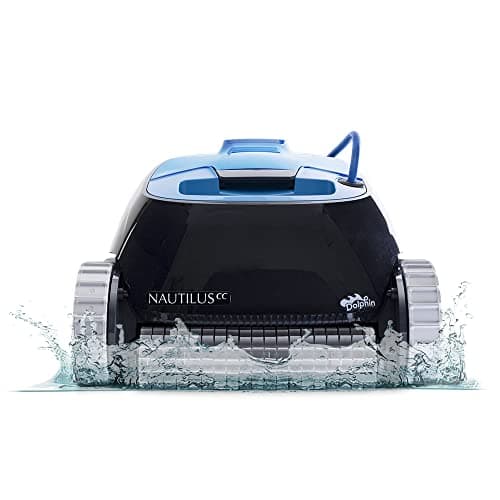
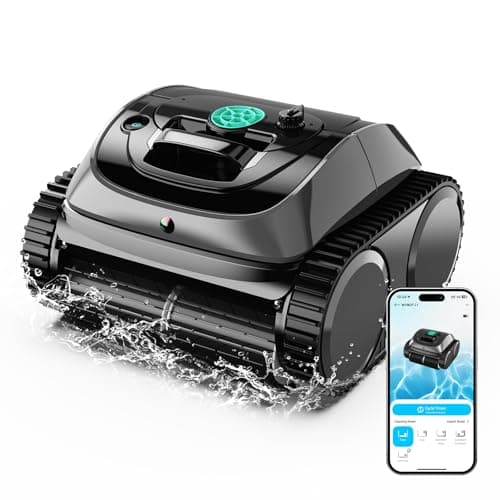
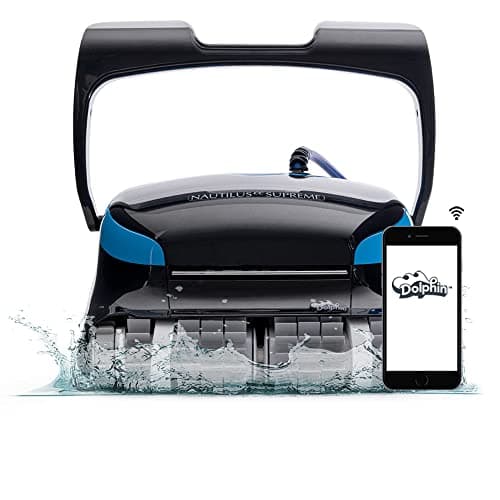
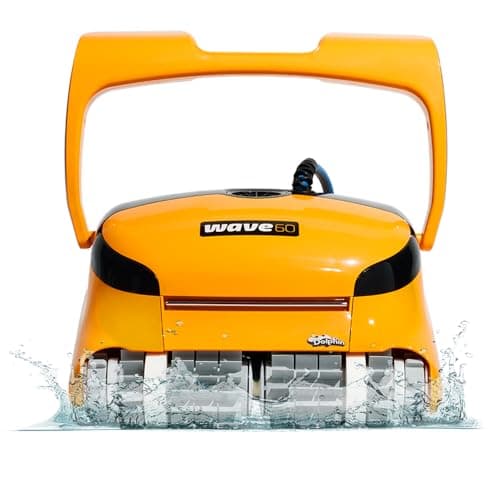
Robotic cleaners are self‑contained units with their own motor and filtration system, powered by an external electrical outlet. They offer the highest cleaning efficiency, can handle a wide range of debris, and reduce wear on your pump. The trade‑off is a higher upfront price and the need for a nearby GFCI‑protected outlet.
Assessing Your Pool’s Size and Shape
The dimensions and geometry of your pool dictate the cleaning power and navigation ability a cleaner must have. Oversizing or undersizing a unit leads to wasted energy or incomplete cleaning.
▸Measuring Length, Width, and Depth
Start by measuring the longest length, widest width, and deepest point of the pool. Most manufacturers list recommended pool size ranges (e.g., 10,000‑30,000 gal). Use these figures to compare against the cleaner’s capacity chart, ensuring the unit can circulate enough water to cover the entire volume within a reasonable cycle time.
▸Considering Irregular Shapes
Free‑form or multi‑level pools present navigation challenges. Robotic cleaners often feature advanced mapping sensors that adapt to curves and steps, while suction and pressure models may miss corners. If you have a kidney‑shaped or lap‑pool design, prioritize a cleaner with smart navigation or adjustable hose lengths.
▸Evaluating Turnover Rate Requirements
Turnover rate is the time required for the entire pool water to pass through the filter once. Aim for a 6‑hour turnover for residential pools. Ensure the cleaner’s flow demand does not exceed your pump’s capacity; otherwise, you’ll compromise both filtration and cleaning performance.
Evaluating Surface Material and Debris Load
Different pool surfaces and typical debris types influence the brush hardness, suction strength, and filter media needed for optimal cleaning.
▸Vinyl and Fiberglass Surfaces
These smooth surfaces are gentle on cleaning brushes. A softer brush or a non‑abrasive pad prevents scratching. Suction cleaners work well here, especially if debris is light (e.g., leaves, pollen). Avoid high‑pressure models that may force water into seams.
▸Concrete and Gunite Pools
Rougher textures can trap fine sand and algae. Robotic cleaners with dual‑brush systems or pressure cleaners with stiff scrubbers excel at dislodging grit. Pair them with a fine‑mesh filter bag to capture the smaller particles.
▸Typical Debris Scenarios
If your pool is surrounded by trees, expect heavy leaf fall; choose a model with a large debris hopper and strong suction. For pools used for swimming lessons with high swimmer load, prioritize a cleaner that can handle increased organic waste and body oils, often a robotic unit with dedicated carbon filters.
Power Source Considerations
The way a cleaner draws power impacts installation complexity, operating cost, and safety. Evaluate each option against your pool’s infrastructure.
▸Using Existing Pump Power (Suction)
Suction cleaners leverage the pool’s pump, meaning no extra wiring. This simplicity is attractive, but you must verify that the pump’s flow rate remains within the cleaner’s recommended range (often 30‑50 gpm). If your pump is already near capacity, adding a suction cleaner could reduce overall circulation.
▸Dedicated Pressure Lines
Pressure cleaners need a separate return line, which may require retrofitting if your pool lacks one. While this adds upfront labor, the pressure source isolates the cleaner from the main pump, reducing wear and often delivering faster debris removal.
▸Electrical Outlets for Robotic Units
Robotic cleaners need a GFCI‑protected 120 V outlet within 15‑20 ft of the pool deck. If none exists, you’ll need an electrician to install a safe outlet, adding to cost. However, the self‑contained design eliminates additional strain on your pump and filtration system.
Filtration Compatibility and Performance
A pool cleaner’s internal filter must work in harmony with your pool’s main filter to keep water clear and reduce chemical usage.
▸Matching Filter Media Types
If your pool uses a sand filter, a cleaner with a cartridge or bag filter is ideal, as it catches fine particles before they reach the sand. For DE or cartridge filters, choose a robotic model with a HEPA‑grade bag to prevent clogging the main filter.
▸Cleaning Cycle Length and Frequency
Robotic cleaners typically run 2‑4 hours per cycle, while suction and pressure units may operate continuously. Determine how often you’re willing to run the cleaner based on your schedule and the pool’s usage pattern. Short, frequent cycles often produce clearer water with less chemical drift.
▸Backwashing and Waste Management
Some pressure cleaners discharge waste directly into the pool, relying on the main filter to capture it. Others have a separate waste collection bag that you empty manually. If backwashing is frequent in your system, a cleaner that minimizes added load can save water and energy.
Maintenance Requirements and Longevity
Even the most advanced cleaner needs regular upkeep. Understanding the maintenance schedule helps you budget time and money.
▸Routine Cleaning of Filter Elements
Robotic cleaners usually have a removable filter bag that should be rinsed after each cycle or weekly for heavy use. Suction cleaners rely on the pool’s filter, so you’ll backwash or clean the main filter more often. Keep a log to track cleaning dates and avoid performance loss.
▸Replacing Wear Parts
Brushes, impellers, and seals wear out over time. Most manufacturers recommend replacing brushes every 12‑18 months and checking seals quarterly. Stocking replacement parts in advance can prevent downtime during peak swimming season.
▸Electrical and Mechanical Checks
For robotic units, inspect the power cord for fraying and test the onboard battery (if applicable) annually. Pressure cleaners should have their hose connections inspected for leaks. Early detection of issues prolongs the unit’s lifespan and keeps warranty claims valid.
Budget and Cost of Ownership
Price tags only tell part of the story. Consider both upfront costs and long‑term expenses such as energy, parts, and water.
▸Initial Purchase Price
Suction cleaners range from $100‑$300, pressure models from $250‑$500, and robotic cleaners typically $600‑$1,200. Align the price with your pool’s size and debris load; overspending on a high‑end robot for a small, low‑maintenance pool may not be cost‑effective.
▸Operating Costs
Robotic cleaners consume 30‑100 W of electricity per hour, translating to roughly $5‑$15 per month depending on usage. Suction and pressure units draw power through the pump, slightly increasing the pump’s electricity draw. Factor these into your annual budget.
▸Replacement Parts and Warranty
Check the warranty length (often 1‑2 years for robots, 6‑12 months for suction/pressure units) and the cost of common parts. A cleaner with a longer warranty and inexpensive filter bags may have a higher upfront price but lower total cost of ownership.
Making the Final Decision and Installation Tips
With all criteria evaluated, you’re ready to choose and install the best cleaner for your pool. Follow these steps to ensure a smooth rollout.
▸Create a Comparison Checklist
List your pool’s key attributes—size, shape, surface, typical debris, existing pump flow, and available power outlets. Then rank each cleaner type against these factors using a simple table. Highlight any deal‑breakers (e.g., lack of a pressure line) to quickly eliminate unsuitable models.
▸Plan the Installation Route
For suction cleaners, locate the nearest skimmer or dedicated suction port. Pressure units need a return jet; map a short, straight hose run to avoid kinks. Robotic cleaners require a GFCI outlet; ensure it’s weather‑proof and within the recommended cord length. Sketching a quick diagram can prevent costly re‑work.
▸Test and Fine‑Tune
After installation, run the cleaner for a full cycle while observing water flow, debris removal, and any unusual noises. Adjust hose lengths, brush settings, or filter bag placement as needed. Record the cycle time and compare it to the manufacturer’s specifications; a significant deviation may indicate a flow restriction that needs correction.
Conclusion
Choosing the right pool cleaner boils down to matching your pool’s physical characteristics, debris profile, and power infrastructure with a device that offers the appropriate cleaning power and maintenance demands. By assessing size, shape, surface material, and filtration compatibility, you can narrow the field to suction, pressure, or robotic options that fit your budget and lifestyle. Remember to factor in ongoing costs—energy, filter replacements, and part wear—to gauge total ownership expense. Use the checklist and installation tips provided to make a confident purchase and set up your cleaner for optimal performance. With the right choice, you’ll enjoy crystal‑clear water with far less effort, freeing up more time for relaxation and fun.
Meet the Reporter

James Carter
Senior Reporter
Pool maintenance expert with over 10 years of experience reviewing and testing pool cleaning equipment for residential and commercial use.